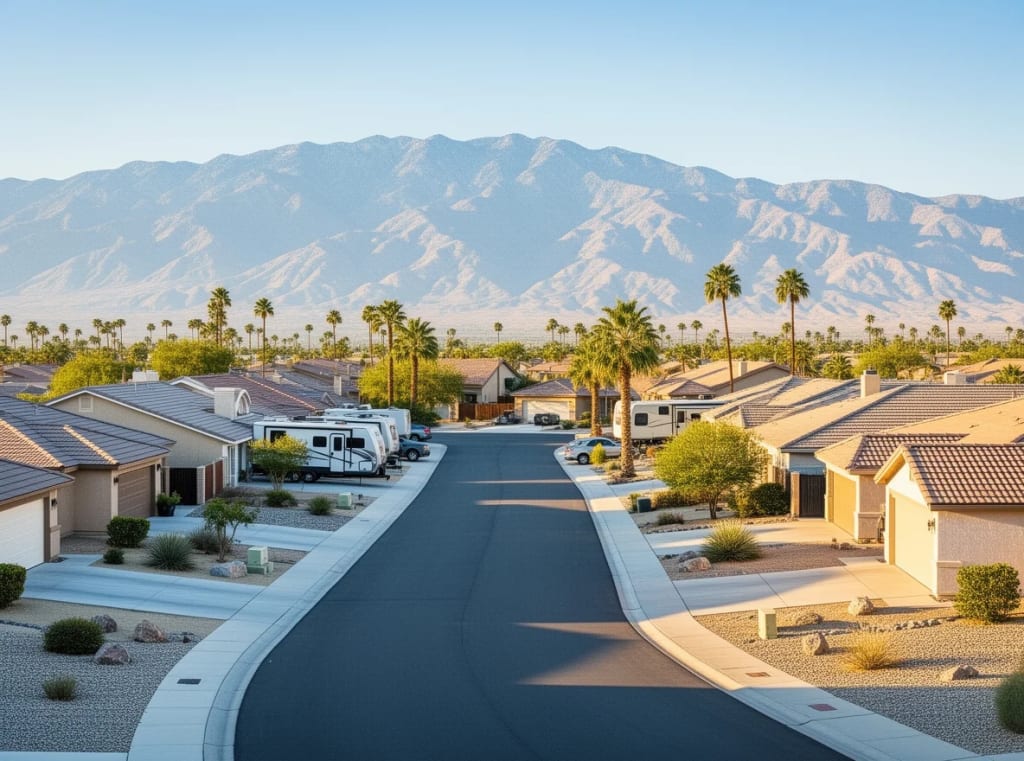
Cathedral City Market Pulse: How to Read Value Without Guesswork
Pricing a home (or deciding what to offer) can feel like trying to hit a moving target—especially in a desert market where seasonal demand, second-home interest, and neighborhood differences can shift the "right number" faster than most people expect. The good news is that value isn't a mystery if you know which signals matter and which ones are just noise. With a few practical benchmarks, you can read Cathedral City's market pulse with confidence and avoid the common traps that lead to overpaying, overpricing, or missing a great opportunity.
Think of value as a story backed by data. The story is the lifestyle: sun-soaked mornings, quick access to the Coachella Valley's golf and events, and neighborhoods that range from established mid-century pockets to newer gated communities. The data is the proof: recent comparable sales, days on market, price reductions, and the premium buyers place on specific features like pools, upgraded HVAC, and mountain views. When the story and the data line up, you're close to fair market value.

Start with the simplest read: what's happening right now with buyer urgency. Look at average days on market and the share of listings that needed a price reduction to go pending. In Cathedral City, those metrics can swing by season—winter and spring often bring more activity, while warmer months may shift negotiating power depending on inventory and who's in town. If homes similar to yours are going under contract quickly and close near list price, the market is signaling strong demand. If you're seeing longer market times and repeated reductions, it's a cue to price more precisely (or negotiate more assertively) from day one.
Next, focus on comparables that match the way buyers actually shop. A "comp" isn't just a home with the same bedroom count—it's a property with similar square footage, lot size, condition, and neighborhood feel. Cathedral City is full of micro-markets where one side of a major road, a different HOA, or a slightly newer build year can change buyer perception. Prioritize sales from the last 90 days when possible, and then widen the window only if the neighborhood has limited turnover. When you do widen it, adjust for any obvious market shift by checking whether newer pendings are trending up or down compared to older closed sales.
Here's where many homeowners get tripped up: active listings are competition, not proof of value. They show what sellers hope to get, not what buyers are willing to pay. The more valuable clues often live in pendings and recently closed sales—especially if you can identify whether the winning offer involved credits, rate buydowns, or repairs. If three similar homes are sitting unsold at one price point while one home closed briskly just below it, the closed sale is the stronger indicator. The unsold homes are telling you where resistance begins.
The "Feature Premium" Checklist: What Really Moves the Number
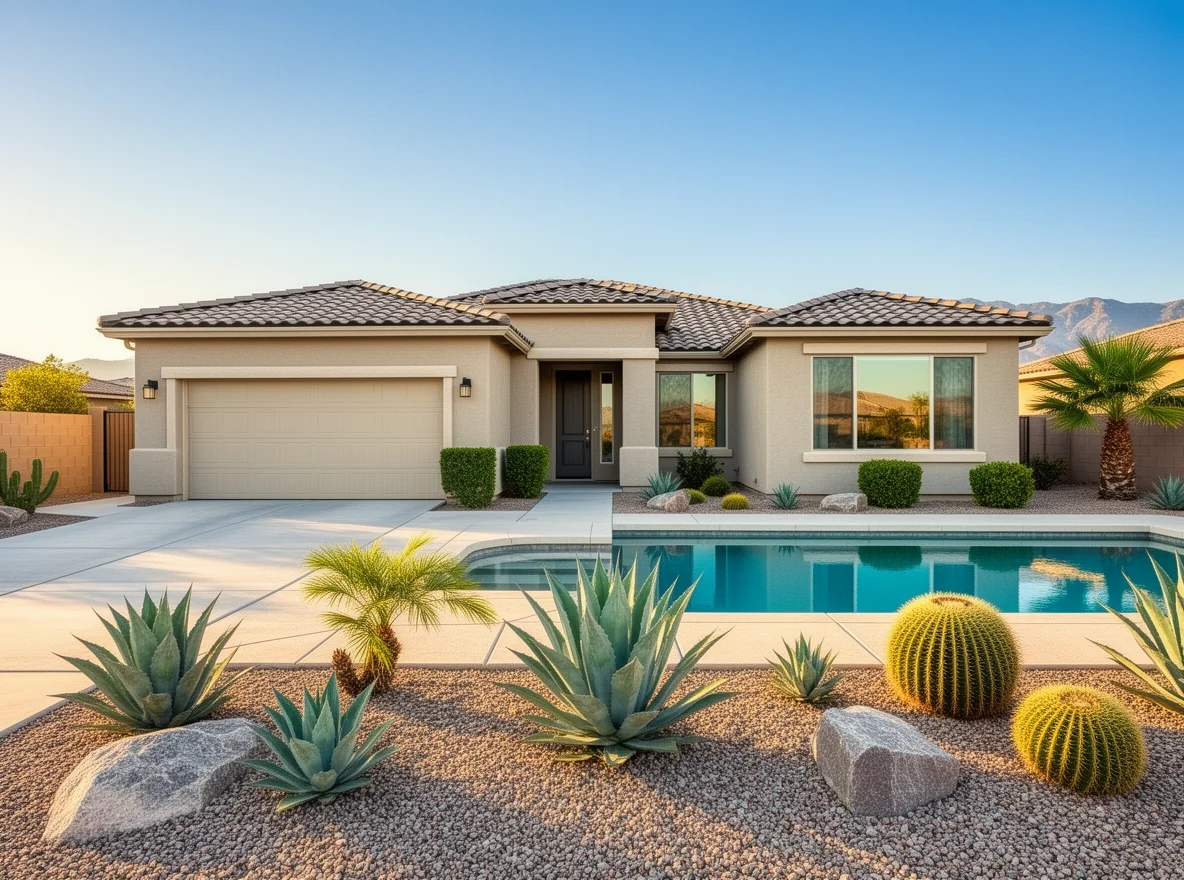
In a climate like the Coachella Valley, buyers pay attention to comfort and operating costs. That's why condition and systems can matter as much as cosmetic finishes. Updated HVAC, good insulation, newer windows, and energy-conscious improvements often reduce buyer hesitation. A pool can be a lifestyle multiplier, but it's not automatically a blank check—its value depends on condition, safety features, ongoing maintenance, and whether comparable homes nearby also have one. If "pool homes" dominate the neighborhood, the premium may be smaller; if they're scarce, it can be a true differentiator.
Don't overlook layout and livability. Cathedral City attracts a mix of full-time residents, snowbirds, and second-home buyers. That diversity shapes what people will pay for: open kitchen-to-living areas for entertaining, separated primary suites for privacy, and indoor-outdoor flow that makes patios feel like an extra room. Even smaller details—covered outdoor space, shade structures, and low-maintenance landscaping—can influence offers because they translate directly to everyday enjoyment in the desert.
HOA and community rules also shape value in ways that don't show up in a simple price-per-square-foot calculation. Two similar homes may sell differently if one has lower monthly dues, fewer restrictions, or better-maintained common areas. Buyers also consider proximity to parks, trail access, and a comfortable drive to regional draws like Palm Springs for dining and nightlife, Rancho Mirage for shopping and resorts, and Indio for major festivals and events. While those nearby attractions lift the broader region's appeal, Cathedral City's value proposition often comes down to getting space, sunshine, and convenience at a more approachable price point than some neighboring cities.
Reading Negotiation Signals: List-to-Sale Ratio, Credits, and Repairs
Once you've got comps and features dialed in, zoom in on the "terms" behind the price. A home that closes at a high number after major seller concessions may be less impressive than it looks on paper. Conversely, a slightly lower sale price with minimal credits and a clean inspection can signal a truly strong valuation. Ask what's happening with interest-rate buydowns, closing-cost credits, and repair requests; these factors can quietly shift the real economic value by thousands of dollars.
Also watch for price-reduction patterns. Multiple reductions often indicate the original list price overshot what buyers could justify, even if the home is lovely. If you're selling, that's a warning to avoid "testing" the market too high—early momentum matters, and the first two weeks of showings often bring the most motivated buyers. If you're buying, repeated reductions can create leverage, but only if you stay grounded in comps rather than chasing the lowest number without understanding why the property isn't moving.
For families considering schools and day-to-day ease, value includes more than the house itself. Many buyers weigh commute routes, access to youth activities, nearby parks, and community services across the Coachella Valley. For retirees and second-home owners, priorities may shift toward quiet streets, single-level living, and easy access to golf, spas, and healthcare. The key is aligning the home's strengths with the buyer pool most likely to pay for them—because that's where market value becomes market reality.
When in Doubt, Use a Local Lens

Online estimates can be helpful for a quick snapshot, but they struggle with Cathedral City's block-by-block differences and the way upgrades, solar, views, and HOA dynamics affect demand. That's where a local, experienced perspective pays off—someone who recognizes which "comp" is actually comparable and which one is misleading because it's a different pocket, a different condition level, or a different buyer audience.
Gilbert Perez with RE/MAX brings a long-tenured California track record and decades of local context to the pricing conversation—useful whether you're timing a sale, evaluating an investment, or trying to avoid paying a premium for features that won't hold value. The goal isn't to chase headlines about the market; it's to interpret the signals correctly and make a decision that fits your life and your finances.
Value without guesswork comes down to this: pair the right comps with the right neighborhood lens, measure demand through days on market and reductions, and translate features into real buyer premiums—not personal preferences. Do that, and Cathedral City's market pulse becomes readable, actionable, and far less stressful—whether you're listing next week or just planning your next move in the desert sun.
