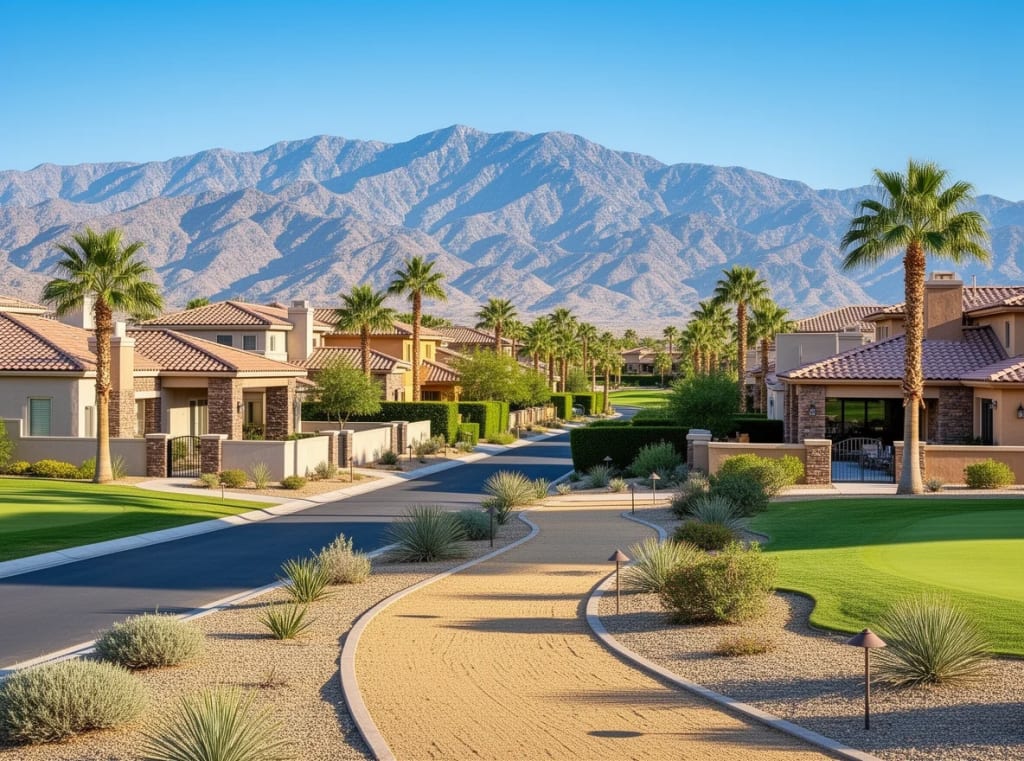
La Quinta Buying Checklist: 10 Steps From Offer to Keys
Buying a home in La Quinta feels a little like planning a desert hike: the route matters, timing matters, and the right guide makes the whole experience smoother. Between golf-course communities, mountain-view neighborhoods, and seasonal market shifts, a clear checklist helps you stay confident from the moment you fall in love with a property to the moment you turn the key. Below are 10 practical steps that keep surprises to a minimum and momentum on your side. If you're working with a seasoned local pro—like RE/MAX agent Gilbert Perez, a long-tenured California agent with 23+ years of on-the-ground experience—these steps become a simple rhythm you can follow.
Step 1: Confirm your financing strategy (before the offer)
Decide whether you're going conventional, jumbo, VA/FHA (if applicable), or cash. In La Quinta, where many homes sit in higher price tiers or within HOA communities, your lender should be ready to evaluate reserves, property type, and any HOA fees. Ask your loan officer for a fully underwritten approval when possible—stronger than a basic pre-qual—and clarify your comfort zone on monthly payment once you factor in taxes, insurance, HOA dues, and potential Mello-Roos (in certain areas).
Step 2: Write an offer that fits the micro-market

An "acceptable" offer in one neighborhood can be uncompetitive in another. Some pockets prioritize speed and clean terms; others respond best to flexibility on move-out timing or a thoughtful repair approach. Your agent should help you compare recent closed sales, current competition, and days-on-market patterns—then translate that into an offer price and terms that make sense. Consider your deposit amount, contingency lengths, and any request for credits carefully; the goal is to look decisive without giving away protections you truly need.
Tip: If the home is in a gated community, ask early for HOA documents and fee details so your offer terms match the reality of the community's rules, amenities, and transfer costs.
Step 3: Negotiate counteroffers without losing the thread
Counteroffers can feel emotional, especially when you picture yourself hosting friends on the patio or waking up to a mountain view. Keep negotiations anchored to facts: comparable sales, inspection realities, and timeline logistics. A calm strategy often wins—sometimes that means adjusting price, other times it means adjusting terms (like closing date) to create a win-win. If multiple counters happen, have your agent summarize what changed and what didn't so you don't accidentally accept a term you meant to avoid.
Step 4: Open escrow and lock the timeline
Once the offer is accepted, you're on the clock. Escrow will track deadlines for contingencies, deposits, disclosures, appraisal, and loan milestones. Put every key date in your calendar and aim to complete tasks early rather than "on time." In desert markets with seasonal surges, appraisers, inspectors, and trades can book out—so scheduling quickly protects your leverage.
Step 5: Schedule inspections that match the desert environment
A general home inspection is essential, but in La Quinta it's smart to think beyond the basics. Depending on the property, consider pool/spa inspection, roof review, HVAC evaluation (critical in hot months), and pest inspection. Ask about irrigation systems, desert landscaping maintenance, and any signs of sun/heat wear on exterior finishes. If the home has solar, request documentation on ownership vs. lease and confirm the system's condition and billing structure.
Step 6: Review seller disclosures like a detective

Disclosures can be long, but they're where you learn the home's story. Read for patterns: recurring repairs, water intrusion history, insurance claims, remodel permits, or neighborhood nuisances. If something is unclear, ask questions immediately and in writing. A strong local agent will help you interpret what's normal for the area and what deserves deeper investigation—especially for homes with additions, older HVAC systems, or prior upgrades that may or may not have been permitted.
Also review the HOA documents closely: rules on rentals, exterior changes, landscaping standards, and community maintenance responsibilities. La Quinta communities often offer amenities that shape lifestyle—pools, fitness facilities, golf access, guarded gates—but each comes with its own fee structure and guidelines. Understanding them now prevents buyer's remorse later.
Step 7: Negotiate repairs and credits with a plan
After inspections, prioritize requests that affect safety, function, and major cost (roof issues, HVAC performance, plumbing leaks, electrical concerns). Cosmetic items are usually better handled after closing, unless they reveal bigger problems. Decide whether you prefer repairs, a price adjustment, or a closing credit—and ask your agent which option is more likely to be accepted in current conditions. The cleanest negotiations are specific: documented findings, clear requests, and reasonable timelines.
Step 8: Appraisal and underwriting—keep your paperwork moving
Your lender will verify income, assets, and debts, while the appraiser evaluates value. Respond quickly to document requests to avoid delays. If the appraisal comes in low, don't panic: options can include challenging the appraisal with stronger comparable sales, renegotiating price, adjusting down payment, or bringing additional funds. This is where hyper-local market knowledge matters—understanding which recent sales truly compare can make a meaningful difference.
Step 9: Finalize insurance, utilities, and HOA setup
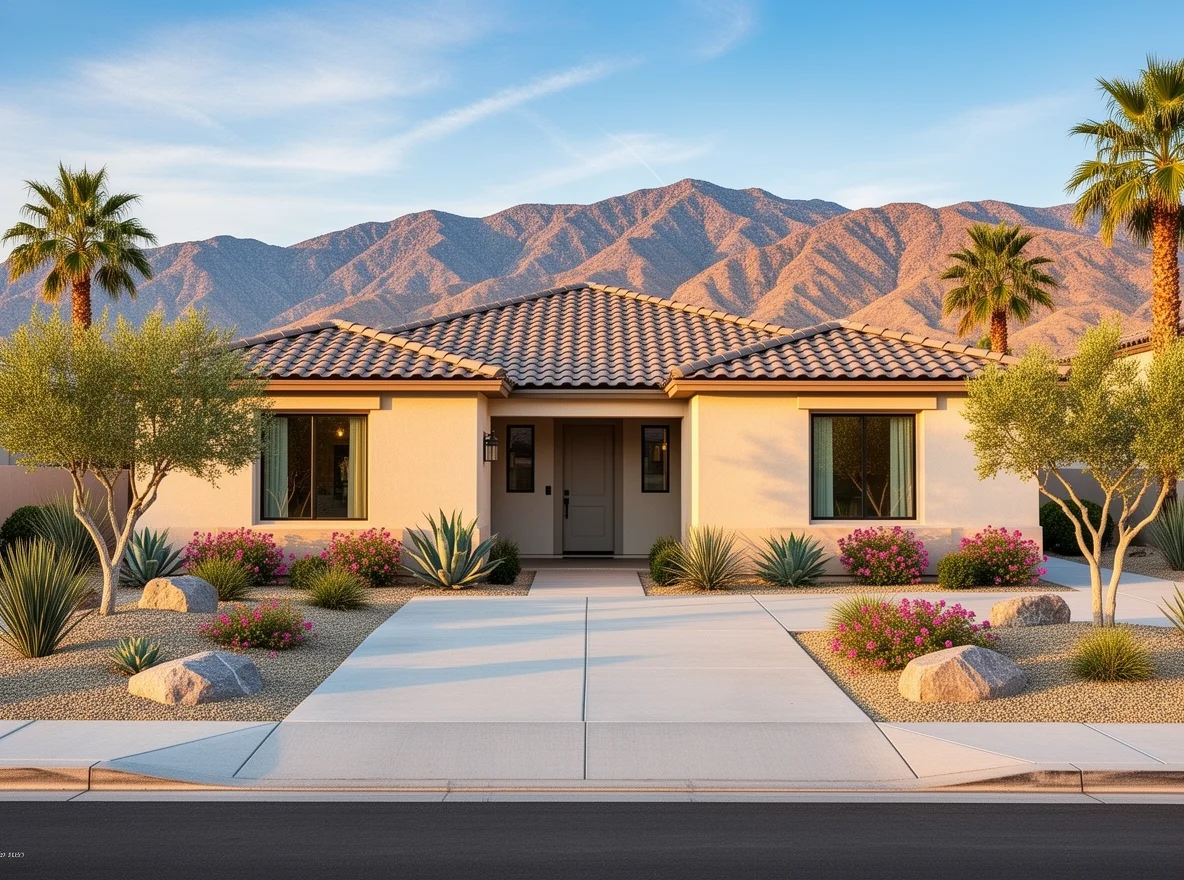
Shop homeowners insurance early, especially if the property has a pool, unique roof features, or is near open desert areas. Confirm your policy start date aligns with closing. Arrange utilities and, if applicable, HOA account transfers and any required move-in steps. If the home is part of a community with shared amenities, clarify what you need for access (gate codes, facility registration, mailbox keys) so the first week feels like a welcome—not a scavenger hunt.
While you're at it, think lifestyle: La Quinta's outdoor recreation is a major draw, from scenic hiking routes to golf and seasonal events. Plan how you'll use the home day-to-day—shade solutions for patios, smart thermostats for efficiency, and landscaping that's beautiful but manageable. Those choices can make desert living more comfortable and cost-effective.
Step 10: Final walkthrough, signing, and getting the keys
The final walkthrough is your last chance to confirm the home's condition matches what you agreed to: negotiated repairs completed, appliances and fixtures present, no new damage, and the property reasonably clean. Test key systems quickly (lights, HVAC, water) and verify any included items (remotes, pool equipment, garage openers). At signing, review your closing disclosure carefully so costs and credits match expectations. Once funding and recording are complete, you'll receive confirmation—and then the best part: keys in hand.
A closing thought for La Quinta buyers
In a market shaped by seasonal demand, community amenities, and a wide variety of home styles—from contemporary desert designs to classic single-stories—clarity is your superpower. Use this checklist to stay organized, ask sharper questions, and make decisions based on both emotion and evidence. And if you want a steady hand through each milestone, partnering with a deeply local professional like Gilbert Perez at RE/MAX can help you navigate La Quinta with confidence—so moving day feels less like a leap and more like the natural next step.
