
Palm Desert Pricing Playbook: 6 Mistakes That Cost Sellers Time
Pricing a home isn't a guess—it's a strategy, and in Palm Desert the margin for error can be smaller than many sellers expect. Buyer demand shifts with seasonality, inventory ebbs and flows, and even the "feel" of a neighborhood can change how buyers perceive value. When the list price is dialed in, you can create momentum and a sense of urgency; when it's off, the market tends to make you pay in time, concessions, and stress. Below are six pricing mistakes that routinely slow down sales—and what to do instead.
Mistake #1: Starting with "What I Need" Instead of "What the Market Will Pay"

It's completely human to begin with a number tied to your next purchase, your payoff, or what you "deserve" after years of ownership. But buyers don't price homes based on your goals—they compare your property to other options available today. If your number is anchored to a personal target rather than current competition, you risk landing in a no-man's land: too high to generate showings, too low to communicate quality, or misaligned with what similar homes have actually closed for.
Better move: Build the price from the ground up using recent closed sales, active competition, and the likely appraisal range. In Palm Desert, where similar floorplans can vary widely by upgrades, views, and HOA structure, the "closest comp" is rarely close enough without adjustments.
Mistake #2: Treating List Price Like a Test Balloon
Some sellers list high "just to see what happens," planning to reduce later. The problem is that the first two to three weeks are your strongest window for attention—online views spike, agents notice the new inventory, and buyers who have been waiting for the right fit pounce. If you miss that launch period, you can end up chasing the market with reductions that feel reactive instead of strategic.
In practice, a home that debuts overpriced can become "that listing that's been sitting," even after you correct the price. Buyers may assume hidden defects, an unmotivated seller, or negotiation difficulty—none of which you want attached to your home.
Mistake #3: Ignoring Micro-Neighborhood Signals (HOAs, Views, and Seasonal Demand)
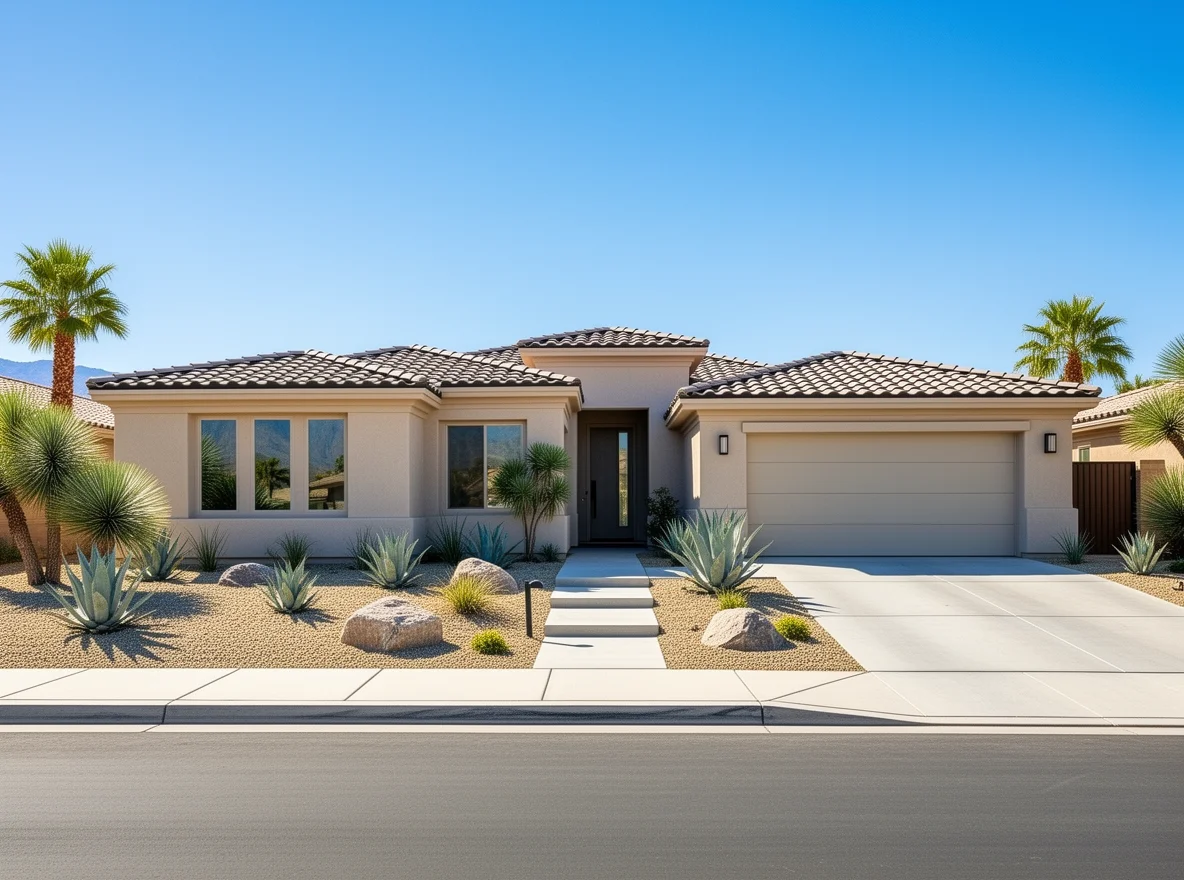
Palm Desert isn't priced as one giant bucket. A home's value can hinge on factors that don't show up neatly on a basic price-per-square-foot chart: mountain or fairway views, the specific HOA's rules and monthly dues, short-term rental restrictions, gated access, community amenities, and even which side of a development your home sits on. Seasonality also matters—buyer traffic often rises and falls in recognizable patterns, and pricing should reflect the reality of who is shopping right now.
Better move: Pull comps that match not just the model, but the lived experience: similar view orientation, similar upgrade level, and similar HOA/amenity package. A long-tenured local perspective can catch pricing traps that outsiders miss—especially in communities where "same floorplan" does not mean "same value."
If you want an edge, consider how buyers will compare your home in a single afternoon of touring. Are they choosing between you and a slightly smaller home with a more compelling view? Between you and a similar home with lower dues? Pricing should anticipate that decision-making moment.
Mistake #4: Overpricing to "Leave Room to Negotiate"
Negotiation room sounds smart until it backfires. Many buyers filter search results tightly, and an inflated price can cause your home to be excluded before it's ever seen. Worse, appraisals don't negotiate; if the home doesn't support the contract price, you can end up granting credits, reducing the price anyway, or losing the deal and re-entering the market with a stigma.
Better move: Price where the strongest pool of buyers can see it, tour it, and compete for it. If you're aiming for multiple offers, the pricing strategy is often about attraction and urgency—then letting demand do the heavy lifting.
Mistake #5: Not Accounting for Condition (and the Buyer's Mental Math)
Buyers translate every visible project into a cost—and they usually add a "pain tax" on top. In a desert climate, condition conversations often center on roofs, HVAC performance, windows, pool equipment, and exterior maintenance. Even cosmetic items like tired flooring or dated lighting can cause buyers to mentally stack repairs into a single intimidating number, which leads to low offers or no offers.
The hidden issue isn't just what it costs to fix—it's how uncertain the fix feels. When buyers aren't sure what else they'll uncover, they protect themselves by discounting the price more aggressively.
Better move: Either position the home as truly move-in ready (and price accordingly), or embrace an "as-is value" strategy with a price that makes the project feel worthwhile. A pre-listing inspection or selective repairs can also reduce uncertainty and help buyers stay focused on the home's strengths.
Mistake #6: Waiting Too Long to Make the First Price Correction

If showings are light and feedback repeats the same theme ("priced high for the updates" or "better options nearby"), time is not your friend. The longer a listing sits, the more buyers assume you'll negotiate hard—or that something is wrong. A late reduction can help, but you may have already missed the strongest wave of attention.
Better move: Set clear performance benchmarks before you list. For example: a target number of showings in the first 10–14 days, a target ratio of saves to views, and a plan for what triggers a price adjustment. Pricing is a living strategy, not a set-it-and-forget-it decision.
When a correction is needed, make it meaningful. Small "token" drops can read as hesitation and won't reset buyer perception. A well-timed, well-sized adjustment—paired with refreshed photos or a renewed marketing push—can bring your listing back into the conversation.
Putting the Playbook to Work
The best pricing strategies feel simple on the surface: understand your competition, align with buyer expectations, and protect your momentum. But the details—HOA nuances, upgrade premiums, view value, and seasonal behavior—are where time is either saved or wasted. That's why sellers often benefit from guidance rooted in local pattern recognition rather than generic averages.
If you're preparing to sell and want a pricing plan built for Palm Desert realities, a seasoned approach can make the difference between "still available" and "sold." With RE/MAX and agent Gilbert Perez's decades of California market experience, the goal is straightforward: position your home confidently from day one, attract the right buyers quickly, and negotiate from strength instead of urgency.
